Mom, Can I Reach the Moon?
A personal reflection on everyday sexism, womanhood, gender-based violence, and the dreams women deserve to pursue.
Written by Dimitra Koumpoura
Originally written in Greek · English translation provided for GYNĒMA
Published by GYNĒMA ·
Content note: references to femicide, violence against women, and gender-based discrimination.
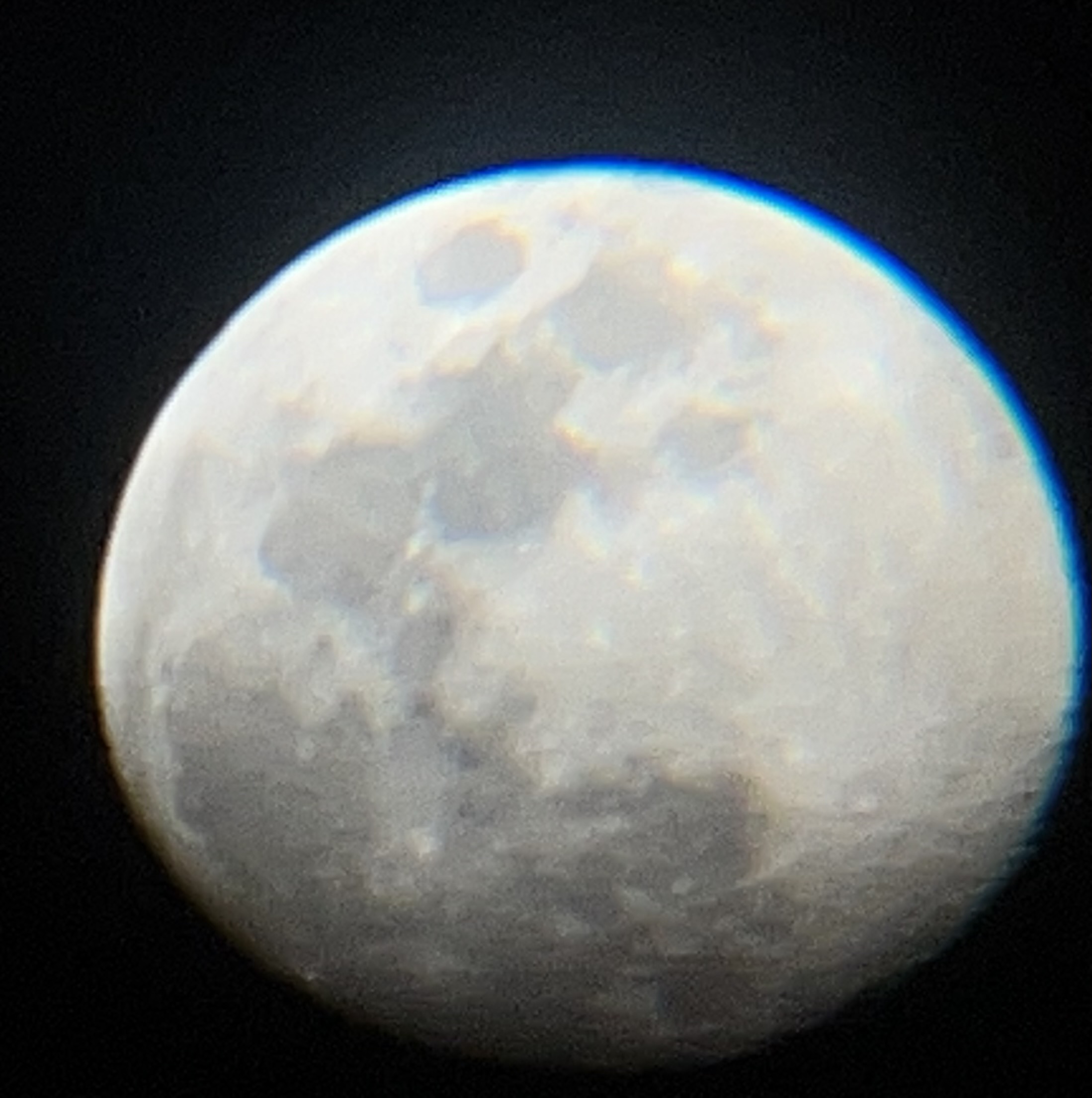
Every girl grows up with dreams, believing that the world is hers to discover. But what happens when those dreams collide with everyday sexism, fear, and violence?
In this deeply personal essay, Dimitra Koumpoura reflects on the seemingly harmless remarks that perpetuate discrimination, the realities women face in public spaces, and the devastating consequences of gender-based violence.
Her words culminate in a tribute to Kyriaki Griva, a 28-year-old woman murdered outside an Athens police station after seeking protection.
This is a reflection on the distance between the world girls are promised and the world women are forced to navigate.
Every little girl, during her childhood and in fairy tales, would wish to reach the Moon… And there would be her mother, promising her with absolute certainty that it is something possible… Something that can become reality. And what could the Moon be? The prince from a fairy tale, a warm home, a child’s smile beneath the veils of a mother’s embrace?
Whatever the Moon may be for a girl, I know one thing for certain: every woman has dreams. These were the thoughts going through my mind that night, during the difficult farewell to yet another woman who was taking her last breath on a pavement in our city. I know that our home hides many grey secrets, terrible loneliness and fear. Is the city feminine or masculine? I believe that once again, we are the ones who take the lead in this race of terror, and I wonder: “For how much longer?” And I believe that the monsters of discrimination and stereotypes are born from small and seemingly insignificant words.
It is Thursday once again, and I am on a video call with my classmates. I am the only girl on the call. I consider it self-evident that I should comment on what is being said. And then comes the stereotypical remark: “You should go wash the dishes and not talk so much; that’s what women do.” I was left speechless. Of course, I did not show my surprise. Inside, I was suffocating, together with all my unanswered questions… It frustrates me that I have become accustomed to comments like these. It bothers me that such phrases are now used as jokes… Something sexist is not analysed; we simply brush it aside… It has become something normal in our time…
Ever since that night, a torrent of thoughts has taken over my mind. I think about other friends who strongly criticise the feminist movement. “Feminists have gone too far”, “women now have equal rights to men”, and other such remarks that I feel invalidate us as individuals and as personalities who remain vigilant in defending their rights…
However, I interpret things in a completely different way. I do not overlook the fact that some women may go beyond the limits, but there have been so many centuries of oppression and enslavement of the female sex that one cannot afford to become complacent. So many struggles have taken place for women’s rights that even a joking remark can be perceived as an insult and a form of degradation when it contains sexist undertones. We are not exaggerating; we are the daughters of those women who experienced slavery and passed on to us a responsibility: to defend the beauty of womanhood, which has carried humanity in its hands for so many centuries.
I walk through the streets of the city and think about the fate of women. I think that all those who criticise her have never found themselves in an uncomfortable position when the scrutinising gazes of passengers on the metro examine a beautiful young woman. They do not know what it is like to be afraid to go out alone late at night, what it is like for the journey home to turn into a scene from a horror film, or what it is like to think about every single movement, choice and word of yours that others might comment on and judge…
In the end, is the Moon a childhood dream? Is it a memory of those nights when Grandma would wish you goodnight so that you could be protected from the dragon in the fairy tale? And what if the dragons of fairy tales exist behind words of eternal love and promises that eventually suffocate you and do not allow you to breathe? I do not know how to answer… Perhaps, if Kyriaki were alive, she could offer an explanation for her own Moon… Where did it fade away? In which corner of the city did it hide? What forgotten childhood memory makes the Moon something real? Why is “today”, after all, a dragon that lies in wait… In the end, a lot of work still needs to be done before a woman can truly be a Woman!
Goodnight, Kyriaki!
This is a personal essay reflecting the author’s experiences, interpretations, and opinions. The accompanying memorial note provides contextual information based on independently verified reporting.
The Greek essay and supplied English translation are reproduced as submitted.
More interviews and features